PALETTEUkiyo-e · 浮世絵
Ukiyo-e Color Palette
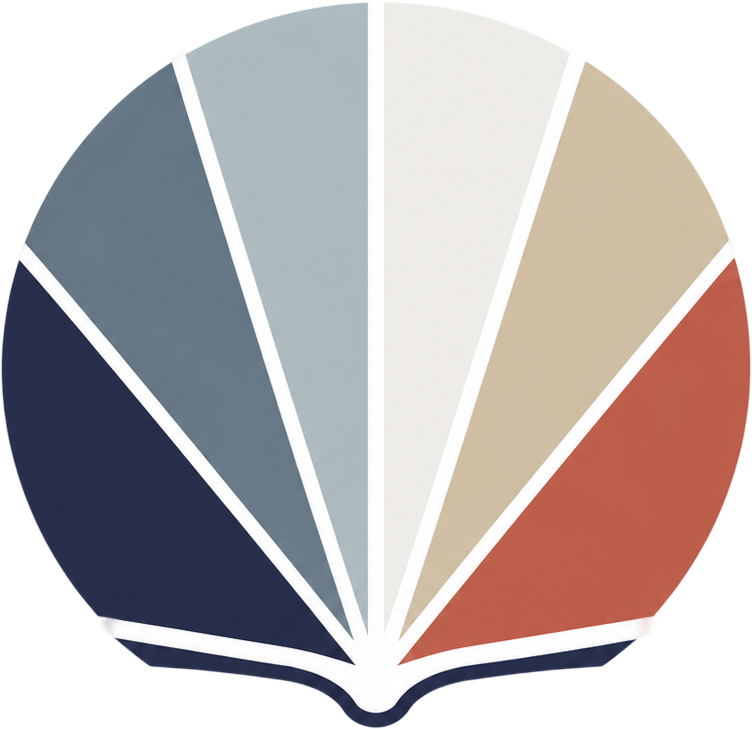
Ukiyo-e prints used colorants that varied by workshop, period, and preservation state. The combination below is a late-Edo-inspired design palette — built on indigo, safflower red, yellow, ink black, with selective purple highlights.
01Role assignments
How each color earns its place.
02Design notes
- Late-Edo prints used Prussian blue (konjō) as a substitute for fugitive dayflower blues — see Hokusai's wave.
- Beni was a delicate dye; surviving prints often show it as faded or shifted.
- Avoid adding modern saturated CMYK reds — they will overpower the historical balance.
03FAQ
What pigments did ukiyo-e printers use?
Indigo (ai), Prussian blue (konjō), safflower red (beni), madder (akane), kerria yellow (yamabuki), gromwell purple (murasaki), pine-soot black (sumi), and oyster shell white (gofun).
Are ukiyo-e print colors accurate today?
Modern reproductions use stable inks. Original prints have faded — the atlas labels each record with a source-status tier to keep this distinction clear.
Build with these colors